Aluminum skylights: design, fabrication and installation challenges
Mohammed Shoukry · 8 January 2024 · 3 min read
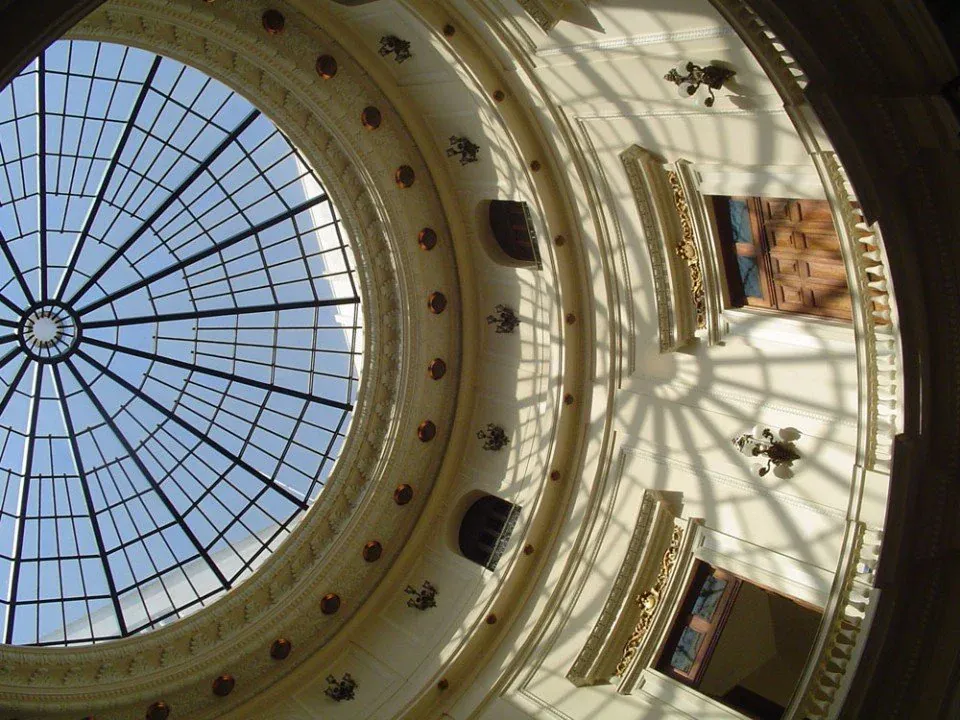
Aluminum skylights are a popular choice for bringing natural light into buildings. However, designing, fabricating, and installing these skylights can present a number of challenges.
Design challenges
One challenge in designing aluminum skylights is ensuring that they are structurally sound and able to withstand wind and other weather conditions. The design must also take into account the weight of the skylight and ensure that it does not exceed the load-bearing capacity of the building. This means that the design of the aluminum skylight should incorporate a combination of materials that will provide adequate structural support.
Another challenge is ensuring that the skylight is properly insulated to prevent heat loss in colder months and heat gain in warmer months. This requires careful consideration of the materials used in the skylight and the insulation used around it. The correct insulation will help to maintain the desired temperature inside the building while reducing energy costs.
When it comes to large skylights, glass specification is also an important factor to consider. The glass used in large skylights must be able to carry its own weight and loads such as wind, as well as any potential impact from weather conditions or debris. This often means using tempered or laminated glass, which is stronger and safer than standard glass.
Tempered glass is a type of glass that is heated to a high temperature and then rapidly cooled to create a stronger, more durable material. Tempered glass is less likely to break than standard glass, and if it does break, it will shatter into small, rounded pieces rather than sharp, jagged shards. Tempered glass is often used in skylights because it is able to withstand higher levels of impact and pressure than standard glass. Overhead, it is usually combined with a laminated inner pane, so that broken pieces cannot fall.
Laminated glass is made by sandwiching a layer of plastic between two layers of glass. This creates a material that is more impact-resistant than standard glass, and if it does break, the plastic layer will hold the glass together, reducing the risk of injury. The plastic layer used in laminated glass is typically made of polyvinyl butyral (PVB) or ethylene-vinyl acetate (EVA). PVB is the most common plastic interlayer used in laminated glass. It is a clear, strong, and flexible material that can absorb energy and withstand impact. EVA is an alternative interlayer that is valued for its optical clarity and its resistance to moisture at exposed edges.
In addition to providing strength and safety, laminated glass can also offer other benefits for skylights. For example, it can be designed to provide UV protection, reducing the amount of harmful radiation that enters the building. It can also be designed to provide sound insulation, reducing the amount of outside noise that enters the building.
Fabrication challenges
Aluminum skylights must be fabricated with precision to ensure a proper fit and seal. This requires specialized tools and equipment, as well as skilled technicians who are familiar with the fabrication process. One common issue with aluminum skylights is warping or bending during the fabrication process. This can be caused by improper handling or cutting, or by uneven heating during welding. To avoid these issues, it is important to work with experienced fabricators who are familiar with the specific requirements of aluminum skylights.
Installation challenges
Installing an aluminum skylight requires careful planning and attention to detail. One challenge is ensuring that the skylight is properly supported and anchored to the building structure. This requires an understanding of the load-bearing capacity of the building and the weight and dimensions of the skylight. The skylight should be installed in a way that will ensure that it is securely fixed to the building and will not shift or move.
Another challenge is ensuring that the skylight is properly sealed to prevent leaks and drafts. This requires careful attention to the installation process, as well as the use of high-quality sealants and weather-stripping materials. The skylight should be installed in a way that will ensure that it is airtight and watertight, preventing any leaks or drafts from entering the building.
In conclusion, designing, fabricating, and installing aluminum skylights can present a number of challenges. It is important to work with experienced professionals who are familiar with the specific requirements of these skylights, including the use of tempered or laminated glass for large skylights, to ensure a successful project. By ensuring that the skylight is properly designed, fabricated, and installed, building owners can enjoy the benefits of natural light while ensuring the safety and comfort of their occupants.