Aluminum windows and curtain walls: why quality fabrication matters
Mohammed Shoukry · 11 March 2019 · 1 min read
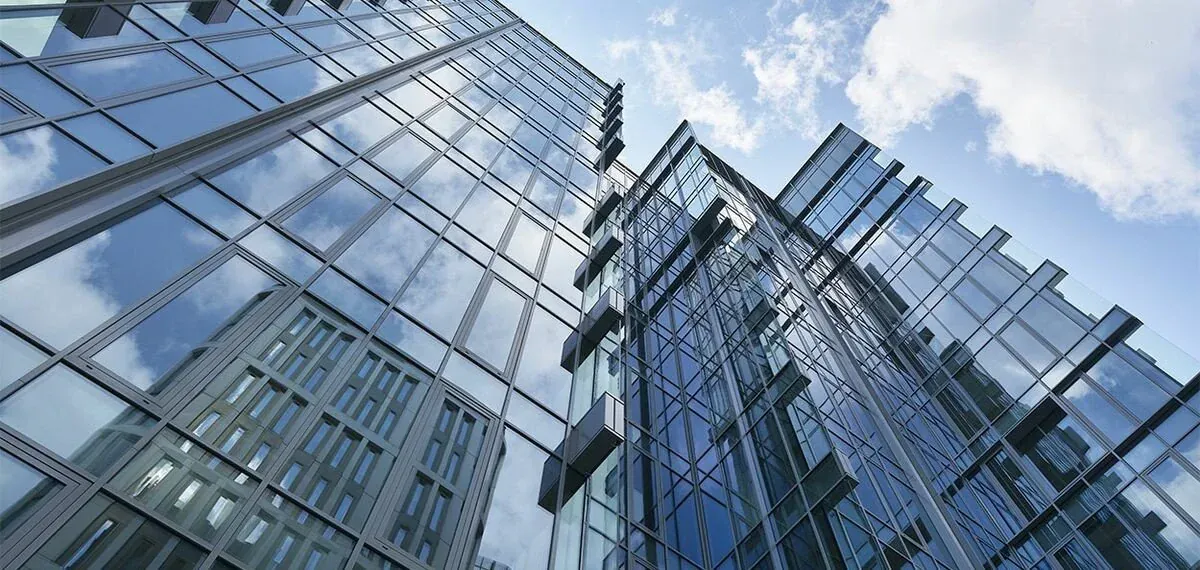
Aluminum windows and curtain walls have become increasingly popular in modern architectural designs due to their aesthetic appeal, durability, and energy efficiency. However, to fully enjoy the benefits of aluminum windows and curtain walls, it is crucial to have quality fabrication and installation.
One of the primary advantages of aluminum windows and curtain walls is their energy efficiency. Aluminum itself conducts heat well, so modern aluminum profiles include thermal breaks, insulating strips that stop heat from passing through the frame and help keep the temperature inside a building stable. Large glazed areas also allow natural light to penetrate the interior, reducing the need for artificial lighting. Moreover, aluminum windows and curtain walls can be designed with double or triple glazing, which provides superior insulation and soundproofing.
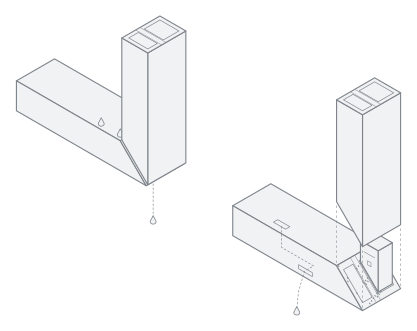
In addition to energy efficiency, aluminum windows and curtain walls offer excellent water tightness and dust prevention. With the proper design and installation, these systems can withstand extreme weather conditions, keeping the interior of the building safe and dry. Furthermore, aluminum is highly resistant to corrosion, ensuring that the system will last for many years.
However, to ensure that aluminum windows and curtain walls function properly and provide the benefits mentioned above, it is crucial to have quality fabrication and installation. Poorly fabricated or installed systems can lead to air and water leaks, compromising the building’s energy efficiency and the integrity of the system. Additionally, improper installation can lead to issues such as noise and decreased durability.
In conclusion, aluminum windows and curtain walls are an excellent choice for modern architectural designs due to their many benefits. However, to fully enjoy these benefits, it is essential to have quality fabrication and installation. At Alunaut, we specialize in the design, engineering, fabrication, and installation of aluminum windows, doors, curtain walls, and skylights. Our team of exceptional talents uses the latest sophisticated software to ensure safety and minimum waste, making us efficient and competitive. Contact us to learn more about our services and how we can help you with your next project.