The benefits of smart glass in facades
Mohammed Shoukry · 8 January 2024 · 2 min read
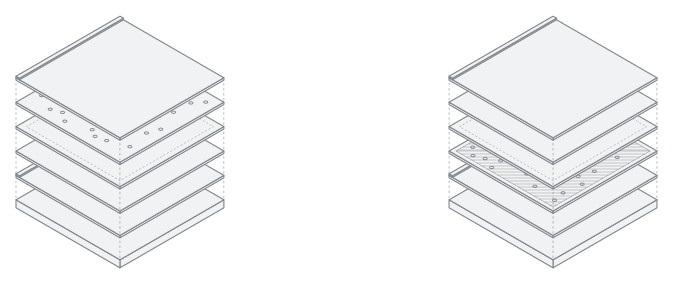
Smart glass is glass whose light and heat transmission can be changed, usually with a small electric current. It has gained a lot of attention in recent years due to its innovative and energy-efficient properties. There are two main kinds: electrochromic glass, which tints gradually darker to control sunlight and heat, and switchable privacy glass, which turns from clear to opaque at the flick of a switch. Smart glass can be used in a variety of applications, including facades. Let’s explore some of the ways smart glass can be used in facades.
Energy efficiency
One of the primary benefits of using smart glass in facades is energy efficiency. Electrochromic glass can help to reduce cooling and heating costs by tinting to block solar heat when the sun is strong and clearing to let in natural light when it is not. This means that the amount of energy needed to maintain a comfortable indoor temperature can be reduced, resulting in lower energy bills and a smaller carbon footprint.
Privacy control
Switchable privacy glass can be an excellent solution for buildings that require privacy. For example, it can be used in a medical facility to provide privacy for patients undergoing treatment. With the flick of a switch, the glass can be made opaque, ensuring that patients have the privacy they need. Switchable glass can also be used in office buildings to provide privacy for meetings or in residential buildings to provide privacy in bedrooms or bathrooms.
Aesthetics
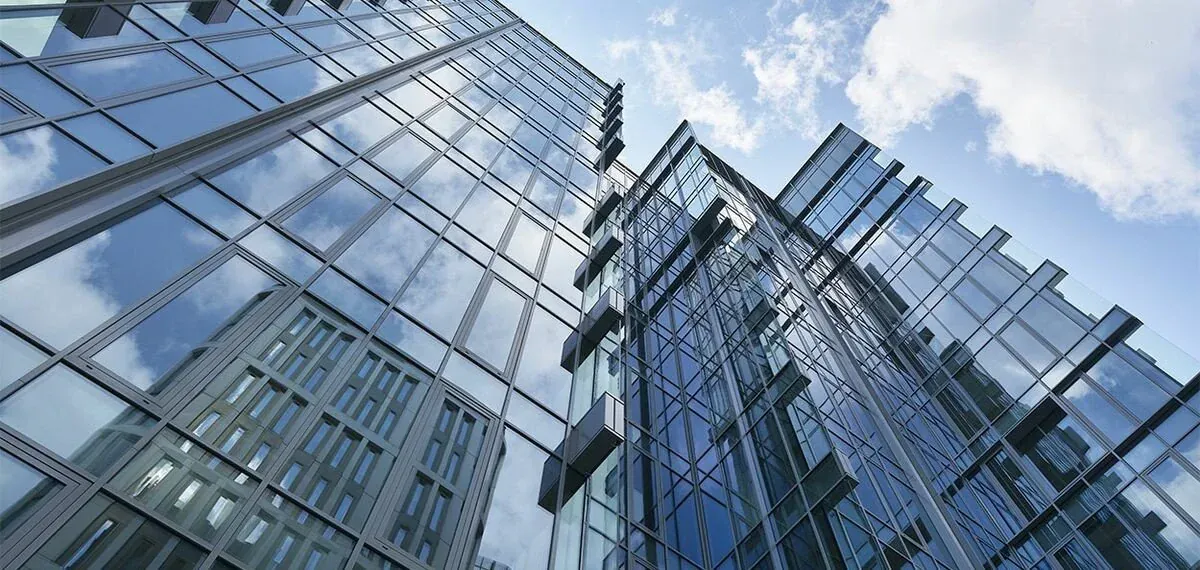
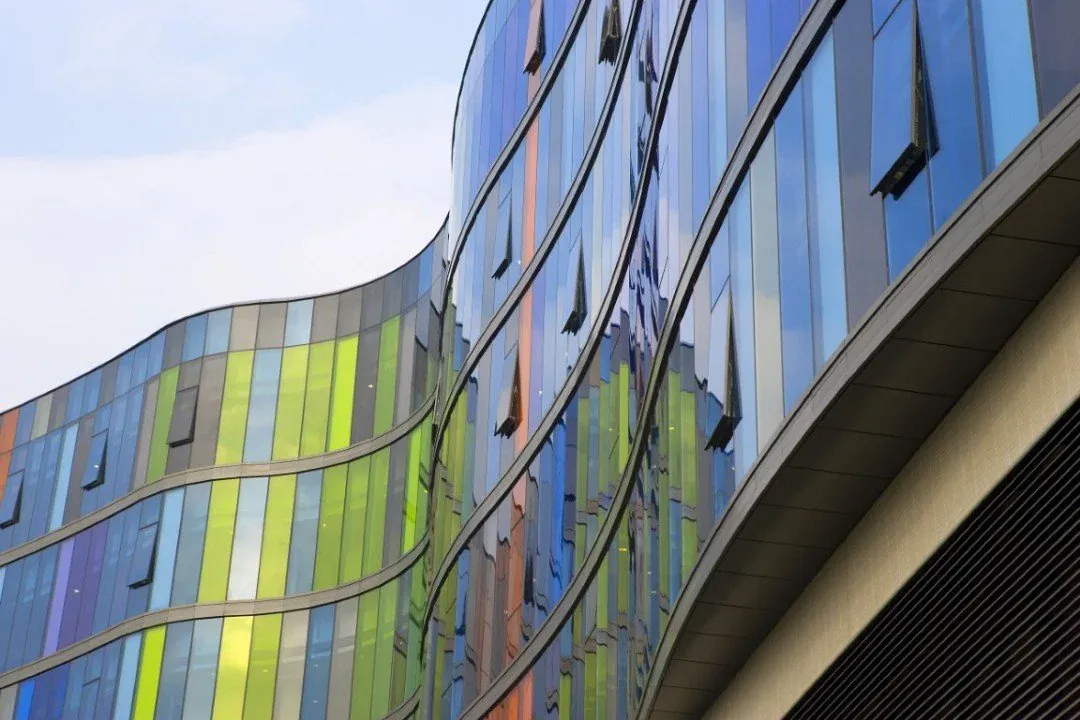
Smart glass can be used to create stunning facades that change the appearance of a building depending on the time of day or the season. For example, a facade with switchable glass can be transparent during the day and opaque at night, while an electrochromic facade can shift its tint with the sun, creating an ever-changing look that is both functional and visually appealing.
Natural light
Smart glass can also be used to maximize the amount of natural light that enters a building while minimizing glare and heat gain. This is particularly important in areas with a lot of natural light, such as sunny climates or high-rise buildings where the sun can be intense. By using electrochromic glass in the facade, the amount of natural light can be controlled, creating a more comfortable indoor environment for building occupants.
Security
Smart glass can also be used to improve the security of a building. By using switchable glass in the facade, the level of transparency can be controlled, making it more difficult for outsiders to see inside the building. This can be particularly useful for buildings that house sensitive or valuable equipment, such as data centers or research facilities.
In conclusion, smart glass is a versatile and innovative technology that can be used in a variety of applications, including facades. Whether you are looking to improve energy efficiency, increase privacy, enhance aesthetics, maximize natural light, or improve security, smart glass is definitely worth considering for your next facade project.